The Hormone-Balancing Food Plan For Women
 This photo is taken from our recent interview with Dr Northrup in her home town in Maine earlier this year for the making of our new film. She is amazing!
James & Laurentine, Producer / Directors 'Food Matters'
CAUSES OF HORMONE IMBALANCE
The hormonal health of any woman depends upon the delicate dance of progesterone and estrogen. Estrogen is meant to be the predominant hormone in the first half of the menstrual cycle and progesterone the predominant one in the second half. However, for most women in the industrialized world this is not the case.
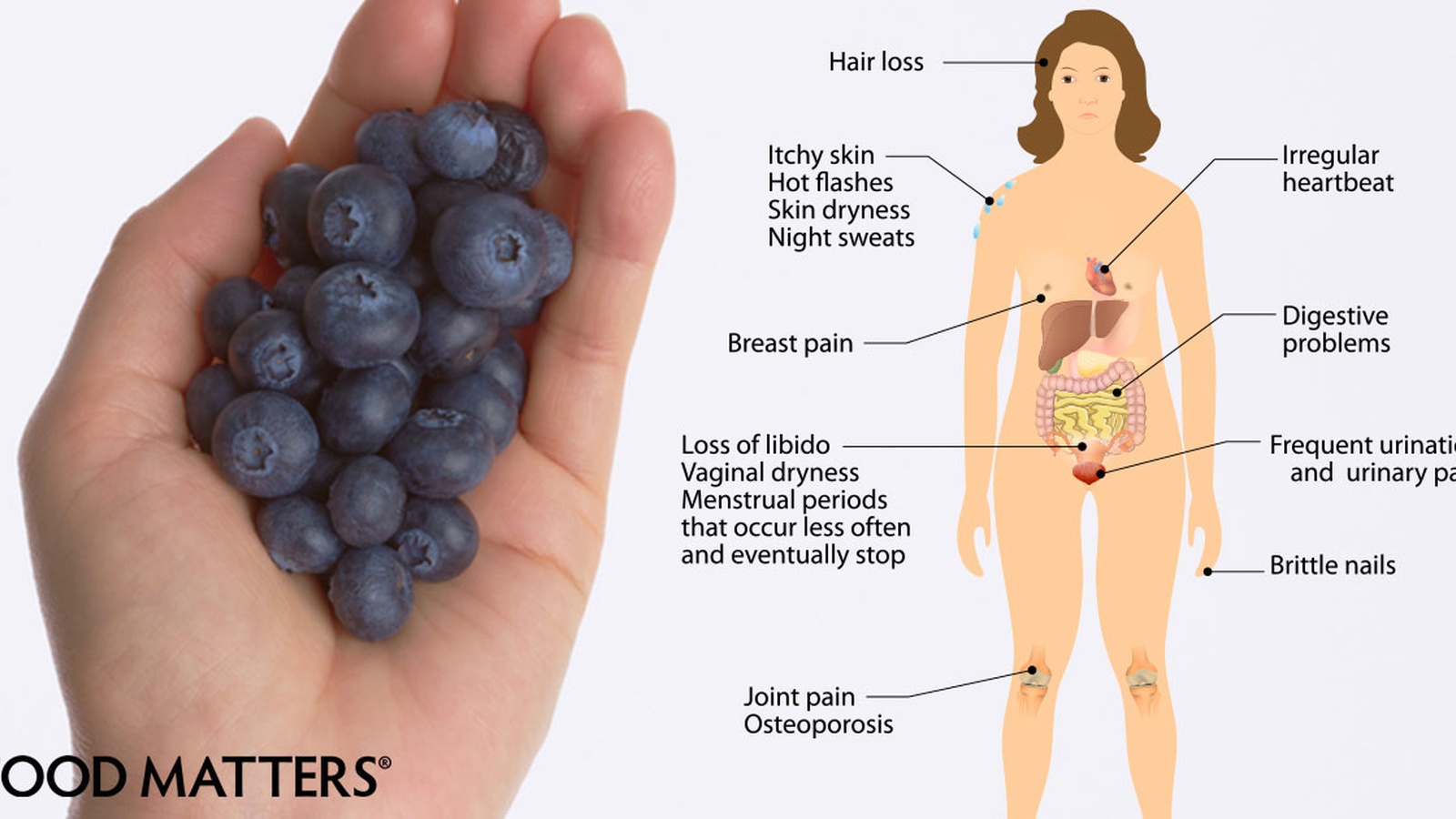
There are many causes of hormone imbalance, but at the base of the problem is something called Estrogen Dominance - which means there is too much estrogen and not enough progesterone present in the body. There are many symptoms that result from having low progesterone levels.
The common causes of hormonal imbalance and estrogen dominance include:
- taking the pill,
- taking HRT (Hormone Replacement Therapy),
- exposure to environmental poison,
- eating non organic and estrogen pumped animal products,
- stress in all its forms and
- dangerous cosmetics.
WHAT YOU CAN DO
When you consider the average lifestyle of most women today, it is not hard to understand why insulin, estrogen and eicosanoids have become imbalanced, setting the stage for increased risk of heart disease, high blood pressure, depression, PMS, arthritis and breast cancer. Here are my suggestions for keeping your blood sugar, eicosanoids and hormones in balance.
Eat at least three meals per day.
Many women skip breakfast or lunch, or even both, "saving" their calories for dinner. The problem with this approach is that the metabolic rate naturally peaks at noon and slows after that. So the food you eat at night is far more likely to be stored as fat. When you eat breakfast, your metabolism gets jump-started for the day. If you skip it, your metabolism will slow down into conservation mode and this can lead to weight gain.
Cut down on refined and high-glycemic index carbohydrates.
Not all carbohydrates are created equal. Whether certain foods with a high-glycemic index, such as baked potatoes or bananas, can be part of a healthy diet for you depends upon your unique metabolism. If you are a true carbohydrate addict, you need to find what foods are healthy for you. I find that eliminating refined carbohydrates, such as sugar, white rice, bread, alcohol, and foods made with white flour, such as muffins, bagels, pasta, pretzels and other snack foods, helps the body burn stored fat and keeps insulin and blood sugar levels normal.
Consume whole grains in moderation.
Even if you have eliminated refined grains, if you are a carbohydrate-sensitive person you may still have problems with whole wheat, whole rye, whole oat, or millet flour. Research shows that the degenerative diseases that currently plague Americans didn’t arrive on the scene until agriculture became widespread. In fact, the ancient Egyptians were fat and had dental disease associated with a grain-based diet.
Eat a wide variety of fresh vegetables and fruit daily.
You want to shoot for five servings per day. And remember, a serving is small, approximately four ounces, or a half-cup. Think color and you'll be on the right path, because the deep pigments in these foods contain powerful antioxidants. Go for broccoli, green leafy vegetables, berries, red, yellow and green peppers, and tomatoes, and vary your choices through the seasons.
Eat healthy fats each day.
The low-fat diet fads of the past, which reached their peak in the 1980s and early 1990s, had women brainwashed into believing that fat was the enemy. In their attempt to eliminate saturated fat from their diets, many women eliminated all fat. I watched my patients complain of sallow skin, brittle hair and nails, susceptibility to infection, inability to concentrate, and weight gain despite their rigid diets. None of these women were getting enough healthy fat. Essential fatty acids, namely omega–3 and omega–6 fats, are needed to assist the body in many important functions, including those of the brain and nervous system. Good sources of EFAs include eggs, high-quality flax seeds, soybeans, walnuts, and cold water fish harvested from the wild. Again, the best way to obtain nutrients is in your food, but if your diet is lacking, high-quality EFA supplements are widely available.
Eat protein at each meal.
Eggs, fish, whey, dairy, or non-animal sources of protein, such as whole soybeans, tempeh or spirulina are all good choices. Beans contain protein, but also contain a considerable amount of carbohydrates. If you are a true carbohydrate addict and you are perimenopausal, beans may be too high in carbohydrates for you.
Protect your body with antioxidants.
Antioxidants combat cellular damage from free radicals, which are known to be a cause of chronic conditions such as heart disease, cataracts, macular degeneration, and cancer.1 Antioxidants are found in fresh fruits and vegetables, especially brightly colored ones. Food is the best source for antioxidants, but if you don’t always get enough in your diet, high-quality supplements can provide significant protection.
HEALING ALTERNATIVES
Here are the relative glycemic indexes of some common foods. This is simply a guide; these numbers do vary from study to study, with plant varieties, and food preparation methods. Use this chart to help balance high glycemic foods with low glycemic ones. Try eating smaller portions of high glycemic foods and add some protein and fat to your plate.
Glycemic Index Chart
Low Glycemic: broccoli, cherries, chickpeas, leafy vegetables, milk, pears, plums, black beans, soybeans, tomatoes, tomato soup, wild rice, yogurt.
Low to Moderate Glycemic: All-Bran, apples, garbanzo beans, ice cream, navy beans, oranges, peas, pinto beans, potato chips.
Moderate to High Glycemic: bananas, candy bars (most), potatoes, pita bread, oat bran, oat bread, raisins, carrots, brown rice, kidney beans.
High Glycemic: bagels, basmati rice, cakes, Cheerios, corn, corn flakes, pies, pretzels, durum wheat pasta, white bread.
RESOURCES
These are explained in more detail, along with a supplement program, in The Wisdom of Menopause, by Christiane Northrup, M.D.
The Glucose Revolution: The Authoritative Guide to the Glycemic Index by Jennie Brand–Miller, PhD; Thomas Wolever, M.D., Ph.D.; Kaye Foster-Powell; & Stephen Colagiuri, M.D.
The Midlife Miracle Diet by Adele Puhn, MS, CNS
Outsmarting the Female Fat Cell — After Pregnancy: Every Woman’s Guide to Shaping Up, Slimming Down, and Staying Sane After the Baby by Debra Waterhouse, MPH
Releasing Fat by Ray Strand , M.D.
The Schwarzbein Principle: The Truth About Weight Loss, Health and Aging by Diana Schwarzbein, M.D.
Do you have a passion for nutrition & natural healing?. Learn more about the Food Matters Nutrition Certification Program here.